Introduction
Maintaining good mental health is just as important as caring for your physical body. In today’s fast-paced world, people often experience stress, anxiety, emotional exhaustion, and burnout due to work pressure, financial concerns, family responsibilities, and constant digital distractions. While challenges are a natural part of life, developing healthy habits can make it easier to cope with difficult situations and maintain emotional balance. Following simple mental health tips every day can improve your mood, strengthen your relationships, and help you live with greater confidence and purpose. Good mental health supports better decision-making, increases productivity, enhances creativity, and contributes to overall happiness. By making small lifestyle changes and prioritizing emotional well-being, anyone can build resilience and enjoy a healthier, more fulfilling life. This guide shares practical strategies that are easy to understand and apply in everyday life.
Why Mental Health Matters
Mental health affects every part of our daily lives, from the way we think and feel to how we interact with others and make important decisions. A healthy mind helps people manage stress, solve problems effectively, and maintain positive relationships. On the other hand, poor mental health can impact sleep, concentration, physical health, work performance, and overall quality of life. Many people mistakenly believe that mental health only matters when someone has a diagnosed condition, but emotional well-being is important for everyone. Practicing mental health tips regularly allows individuals to recognize emotions, develop healthier coping mechanisms, and prevent everyday stress from becoming overwhelming. Building emotional resilience takes time, but consistent self-care can make a significant difference in handling life’s ups and downs while maintaining confidence and optimism.
Practice Mindfulness Every Day
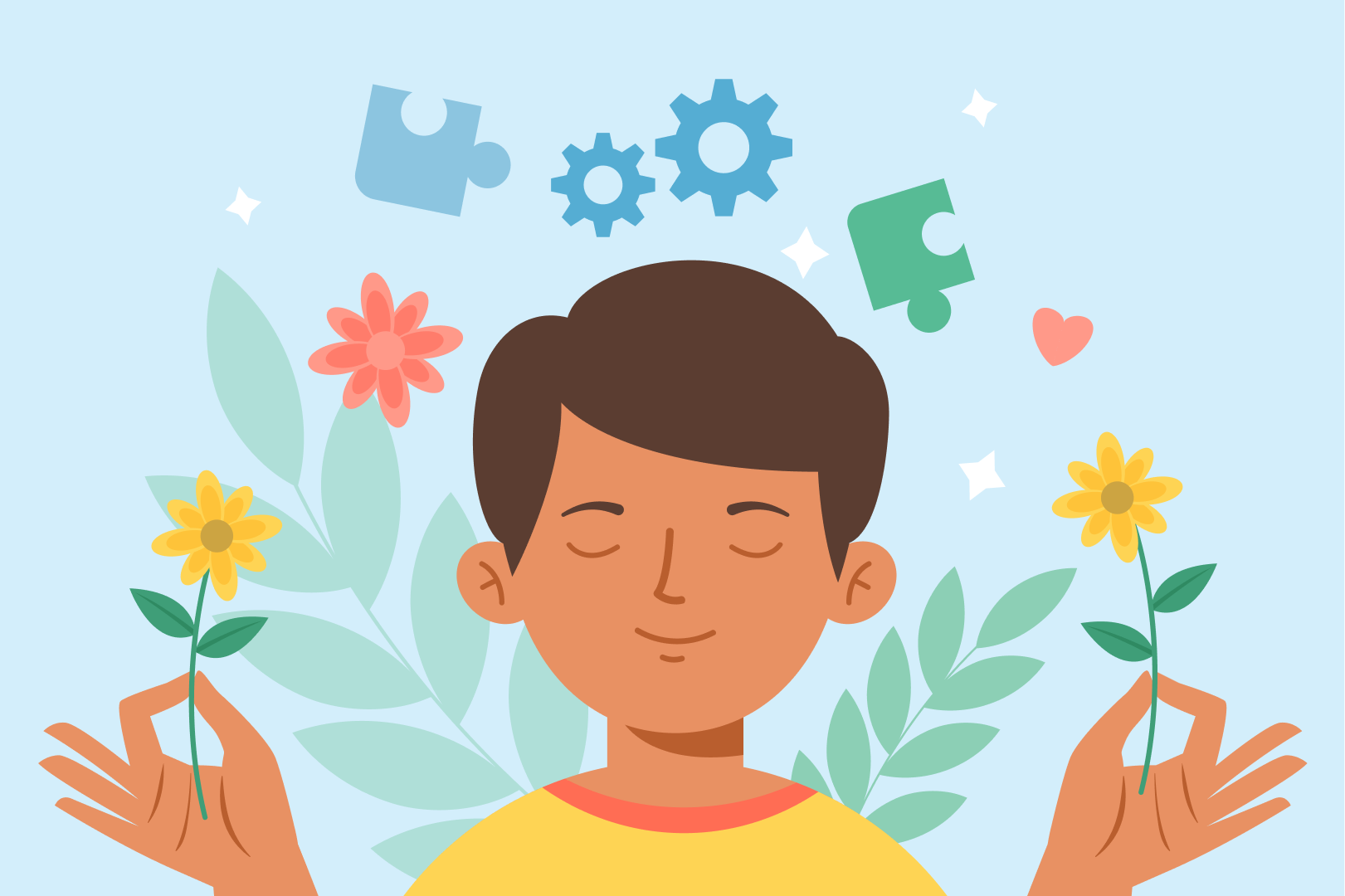
Mindfulness is the practice of paying attention to the present moment without judgment. Instead of worrying about the future or dwelling on the past, mindfulness helps people focus on what is happening right now. Spending just ten to fifteen minutes each day practicing deep breathing, meditation, or quiet reflection can reduce stress and improve emotional clarity. Mindfulness also helps individuals become more aware of their thoughts and feelings, allowing them to respond calmly instead of reacting impulsively. One of the most valuable mental health tips is to create a daily mindfulness routine that fits your lifestyle. Whether you meditate, practice yoga, or simply enjoy a peaceful walk in nature, these activities encourage relaxation and support long-term emotional well-being.
Build Healthy Relationships
Strong relationships provide emotional support, encouragement, and a sense of belonging. Spending quality time with family members, friends, and trusted colleagues helps reduce feelings of loneliness and isolation. Healthy communication allows people to express emotions openly while also listening with empathy and understanding. It is equally important to establish personal boundaries that protect your emotional energy from unnecessary stress. One of the most practical mental health tips is to surround yourself with positive individuals who encourage personal growth and respect your feelings. Meaningful relationships not only improve happiness but also provide valuable support during challenging times, making it easier to overcome obstacles and maintain emotional balance.
Prioritize Quality Sleep
Sleep is essential for both physical and mental health. During sleep, the brain processes emotions, strengthens memory, and restores energy for the next day. Poor sleep can contribute to mood swings, irritability, anxiety, and difficulty concentrating. Adults should aim for seven to nine hours of quality sleep each night. Creating a consistent bedtime routine, reducing screen time before bed, and maintaining a comfortable sleeping environment can improve sleep quality. Among the most effective mental health tips is treating sleep as a priority rather than a luxury. Better sleep helps improve emotional regulation, increases productivity, and supports overall mental resilience, allowing you to face daily challenges with greater confidence and focus.
Stay Physically Active
Regular physical activity benefits both the body and the mind. Exercise releases endorphins, often called feel-good hormones, which naturally improve mood and reduce stress. Activities such as walking, jogging, cycling, dancing, swimming, or yoga can help decrease anxiety while boosting self-confidence and energy levels. Exercise also improves sleep quality and supports better brain function. You do not need an intense workout routine to experience these benefits; even thirty minutes of moderate activity most days of the week can make a noticeable difference. Including physical movement in your daily routine is one of the easiest mental health tips to follow because it improves both emotional well-being and overall physical fitness.
Eat a Balanced and Nutritious Diet
Nutrition plays a vital role in maintaining mental health. The brain requires essential vitamins, minerals, healthy fats, and proteins to function efficiently. A balanced diet that includes fruits, vegetables, whole grains, lean proteins, nuts, and healthy fats can improve energy levels, concentration, and mood. Drinking enough water throughout the day also supports healthy brain function. Limiting processed foods, excessive sugar, and caffeine may help reduce mood fluctuations and improve emotional stability. Healthy eating habits work together with exercise and quality sleep to create a strong foundation for emotional wellness. Caring for your body through proper nutrition also supports a healthier and more positive mindset.
Manage Stress Effectively
Stress is an unavoidable part of life, but learning how to manage it can prevent long-term emotional strain. Identifying personal stress triggers allows individuals to develop healthier coping strategies before stress becomes overwhelming. Time management, relaxation exercises, journaling, creative hobbies, and spending time outdoors are all effective ways to reduce daily pressure. Avoiding perfectionism and accepting that mistakes are part of growth can also improve emotional resilience. Breaking large tasks into smaller, manageable steps makes challenges feel less overwhelming. Regularly taking short breaks during work or study sessions allows the mind to recharge, helping you maintain focus, productivity, and emotional balance throughout the day.
Limit Digital Overload
Technology offers many benefits, but constant exposure to social media, news updates, and digital notifications can increase stress and anxiety. Comparing yourself to others online may lower self-esteem and contribute to negative emotions. Setting healthy boundaries around screen time helps create more opportunities for real-life connections and meaningful activities. Consider scheduling device-free periods each day to focus on reading, exercising, hobbies, or spending time with loved ones. Reducing unnecessary digital distractions allows the mind to relax and improves concentration, sleep quality, and emotional well-being while encouraging healthier daily habits.
Seek Help When Needed
Everyone experiences emotional difficulties at some point in life, and asking for help is a sign of strength rather than weakness. Talking with trusted family members, friends, teachers, or trained mental health professionals can provide valuable guidance and emotional support. Early intervention often prevents small problems from becoming more serious over time. One of the most important mental health tips is recognizing when additional support is needed and taking action without feeling ashamed. Professional counseling, therapy, or support groups can help individuals develop effective coping strategies and improve long-term emotional health while promoting greater self-awareness and confidence.
Develop Positive Daily Habits
Small daily habits often have a significant impact on mental well-being. Practicing gratitude, setting realistic goals, celebrating small achievements, and engaging in hobbies that bring joy can improve overall happiness. Learning new skills, reading books, volunteering, or spending time in nature also supports emotional growth and resilience. Positive habits build consistency, helping individuals develop confidence while reducing stress over time. Maintaining a healthy routine creates stability and encourages a balanced lifestyle that supports long-term emotional wellness. Remember that meaningful change usually happens gradually through consistent effort rather than overnight transformation.
Conclusion
Good mental health is essential for living a happy, productive, and balanced life. While life will always present challenges, adopting healthy habits can make those challenges easier to manage. Practicing mindfulness, maintaining strong relationships, staying physically active, eating nutritious foods, getting enough sleep, managing stress effectively, limiting digital distractions, and seeking support when needed all contribute to lasting emotional well-being. These practical mental health tips can be incorporated into everyday routines without major lifestyle changes. By consistently caring for your emotional health, you build resilience, improve your quality of life, and create a stronger foundation for personal growth and happiness. Remember that every small positive step you take today contributes to a healthier and brighter future.
Leave a Reply