Introduction
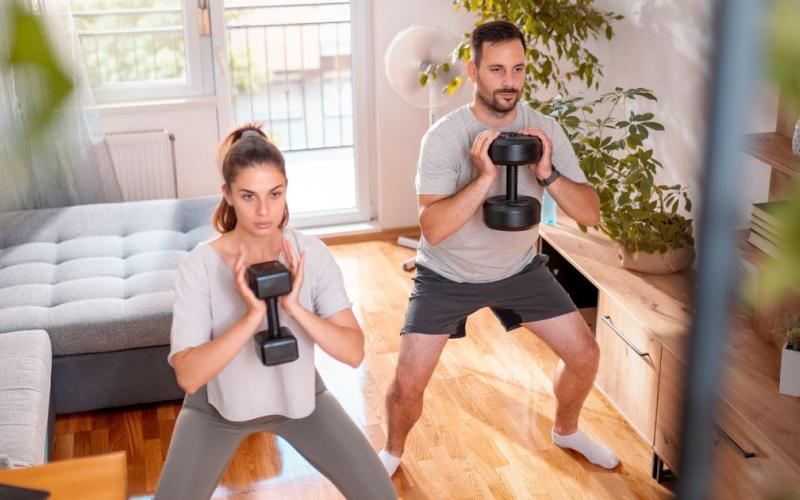
A home workout is one of the most effective ways to improve your health, build strength, and maintain an active lifestyle without spending money on a gym membership. Whether you are a beginner or someone returning to fitness after a break, exercising at home provides flexibility, comfort, and convenience. You can create a routine that matches your schedule while achieving impressive physical and mental health benefits.
Modern lifestyles often make it difficult to find time for fitness. Long working hours, family responsibilities, and commuting can leave little opportunity for regular exercise. Fortunately, a home workout removes many of these obstacles by allowing you to train whenever it suits you. Even a small space in your living room can become your personal fitness area.
With consistency and proper planning, home exercises can improve cardiovascular health, strengthen muscles, increase flexibility, enhance posture, and boost overall energy levels. This guide explains everything you need to know to create an effective workout routine from the comfort of your home.
Why Choose a Home Workout?
Many people assume that expensive gym equipment is necessary for achieving fitness goals. However, bodyweight exercises alone can produce excellent results when performed correctly. Choosing a home workout offers several practical advantages that make staying active easier than ever.
One of the biggest benefits is convenience. There is no travel time, no waiting for equipment, and no monthly membership fees. This saves both time and money while allowing you to stay committed to your fitness journey.
Another advantage is flexibility. You can exercise early in the morning, during lunch breaks, or late in the evening. This makes it easier to maintain consistency, which is the key to long-term success. Home workouts also allow beginners to exercise in a comfortable environment without feeling intimidated by crowded gyms.
Additionally, home fitness encourages family participation. Parents can exercise with children, making physical activity a fun daily habit that promotes healthier lifestyles for everyone.
Preparing Your Space for Exercise
Before starting your fitness routine, it is important to prepare a safe and organized workout area. You do not need a large room; a few square feet of open space is usually enough for most exercises.
Begin by removing furniture or objects that may interfere with movement. Wear comfortable workout clothing and supportive athletic shoes if necessary. Keep a water bottle nearby to stay hydrated throughout the session.
A yoga mat provides comfort during floor exercises such as planks, stretching, and core workouts. If you have resistance bands or light dumbbells, they can increase exercise variety, but they are not required for beginners.
Proper lighting and ventilation also make your workout environment more enjoyable. Playing motivational music can improve focus and increase energy during training sessions.
Essential Warm-Up Before Every Workout
A proper warm-up prepares your muscles, joints, and cardiovascular system for exercise while reducing the risk of injury. Never skip this important step.
Start with five to ten minutes of light movement such as marching in place, arm circles, shoulder rolls, and gentle jogging. Continue with dynamic stretches including leg swings, hip rotations, and torso twists.
The purpose of warming up is to gradually increase your heart rate and improve blood circulation. This allows your muscles to work more efficiently during exercise while enhancing flexibility and coordination.
After warming up, you will feel more energetic and ready to perform each movement with better technique and reduced muscle stiffness.
Best Bodyweight Exercises
Bodyweight exercises form the foundation of an effective home workout because they require little or no equipment while training multiple muscle groups simultaneously.
Push-ups strengthen the chest, shoulders, triceps, and core. Beginners can start with knee push-ups before progressing to standard versions.
Squats develop the legs and glutes while improving balance and mobility. Focus on maintaining a straight back and controlled movement throughout each repetition.
Lunges increase lower-body strength and improve coordination by training each leg independently. Alternate between forward and reverse lunges for balanced muscle development.
Planks build core stability while strengthening the shoulders and back. Hold the position with proper posture and gradually increase the duration over time.
Mountain climbers combine strength training with cardio, helping improve endurance while engaging the entire body.
Cardio Exercises You Can Do at Home
Cardiovascular exercise plays a vital role in improving heart health, burning calories, and increasing endurance. Fortunately, many effective cardio exercises require no equipment.
Jumping jacks are excellent for raising your heart rate quickly. High knees improve cardiovascular endurance while strengthening the legs and core. Burpees provide a full-body workout that combines strength and cardio into one challenging movement.
Running in place is another simple exercise suitable for small spaces. Skaters improve agility and coordination while targeting the lower body.
Combining these exercises into short intervals creates an efficient cardio session that supports weight management and improves overall fitness.
Strength Training Without Equipment
Strength training is essential for building muscle, improving metabolism, and supporting healthy bones. A well-designed home workout can deliver outstanding strength gains using only bodyweight.
Progressive overload remains important even without weights. Increase repetitions, extend exercise duration, reduce rest periods, or perform more challenging exercise variations as your fitness improves.
Exercises such as wall sits, single-leg squats, elevated push-ups, glute bridges, and triceps dips using a sturdy chair effectively target multiple muscle groups.
Maintaining proper form is always more important than performing a high number of repetitions. Controlled movements reduce injury risk while maximizing muscle activation.
Importance of Flexibility and Mobility
Flexibility training often receives less attention than strength or cardio, yet it plays a major role in preventing injuries and improving movement quality.
Stretching after exercise helps muscles recover while reducing stiffness. Focus on major muscle groups including hamstrings, quadriceps, calves, shoulders, chest, hips, and lower back.
Mobility exercises improve joint movement, posture, and overall athletic performance. Incorporating regular stretching into your weekly routine supports long-term flexibility and enhances everyday activities.
Breathing slowly during each stretch allows muscles to relax, increasing the effectiveness of flexibility training.
Building a Weekly Workout Routine
Creating a balanced weekly schedule helps maintain consistency and prevents overtraining.
A beginner might perform strength training three days per week, cardio two days per week, and flexibility sessions on remaining days. Rest is equally important because muscles grow stronger during recovery.
Each session should include a warm-up, the main workout, and a cool-down with stretching. Gradually increase exercise intensity as your fitness level improves.
Tracking progress in a notebook or fitness app helps maintain motivation by showing improvements in endurance, strength, and overall performance.
Nutrition and Hydration for Better Results
Exercise alone cannot deliver maximum fitness without proper nutrition. Balanced meals containing lean protein, whole grains, healthy fats, fruits, and vegetables provide the energy needed for effective workouts.
Protein supports muscle recovery after training. Complex carbohydrates supply long-lasting energy, while healthy fats contribute to overall wellness.
Drink water before, during, and after exercise to replace fluids lost through sweat. Staying hydrated improves physical performance and helps regulate body temperature.
Avoid relying heavily on processed foods or sugary drinks, as they may reduce energy levels and slow recovery.
Common Mistakes to Avoid
Many beginners make mistakes that reduce workout effectiveness or increase injury risk.
Skipping warm-ups is one of the most common errors. Using poor exercise technique can strain joints and muscles. Trying to progress too quickly often leads to soreness or burnout.
Another mistake is exercising without adequate rest. Recovery is essential for muscle growth and long-term consistency.
Comparing yourself with others can also reduce motivation. Everyone progresses at a different pace, so focus on your own improvement and celebrate small achievements.
Staying Motivated
Maintaining motivation is often the biggest challenge in any fitness journey. Setting realistic goals helps create a sense of achievement and encourages long-term consistency.
Choose workout times that fit naturally into your daily schedule. Prepare your workout clothes in advance to reduce excuses. Listening to energetic music can improve mood and performance.
Celebrate milestones such as completing your first month of regular exercise or increasing the number of push-ups you can perform. These small victories build confidence and reinforce healthy habits.
Remember that fitness is a lifelong commitment rather than a short-term challenge. Consistency will always produce better results than occasional intense workouts.
Conclusion
A home workout is an excellent solution for anyone looking to improve fitness, increase strength, and maintain a healthy lifestyle without visiting a gym. With minimal equipment, proper planning, and consistent effort, anyone can achieve meaningful progress from the comfort of home.
By combining strength training, cardiovascular exercise, flexibility work, balanced nutrition, and sufficient recovery, you create a complete fitness routine that supports both physical and mental well-being. Most importantly, stay patient and remain consistent. Every workout brings you one step closer to a healthier, stronger, and more energetic version of yourself. Make the home workout part of your daily routine, and over time you will experience lasting improvements in health, confidence, and overall quality of life.
Leave a Reply