Introduction
A healthy diet is one of the most important foundations of a happy and productive life. The food we eat directly affects our energy, mood, immune system, mental clarity, and overall well-being. In today’s fast-paced lifestyle, many people rely on processed foods and sugary drinks because they are convenient. However, these choices often lead to nutritional deficiencies and increase the risk of chronic illnesses. Making healthier food choices doesn’t require expensive ingredients or complicated recipes. Instead, it involves selecting balanced meals that provide the body with the nutrients it needs every day. By understanding what makes a diet healthy, individuals can improve their quality of life and reduce the chances of developing diseases. Whether your goal is to lose weight, gain energy, improve digestion, or simply live a healthier lifestyle, choosing a healthy diet is one of the smartest decisions you can make. This guide explains everything you need to know about healthy eating, essential nutrients, practical meal planning, and sustainable habits that support long-term wellness.
What Is a Healthy Diet?
A healthy diet is a balanced way of eating that supplies the body with essential nutrients while maintaining an appropriate calorie intake. It includes a variety of foods from all major food groups, including fruits, vegetables, whole grains, lean proteins, healthy fats, and dairy or dairy alternatives. Every nutrient has a specific role in supporting body functions, from building muscles to strengthening bones and boosting immunity. A balanced eating pattern also limits foods that contain excessive sugar, unhealthy fats, sodium, and artificial additives. Healthy eating is not about strict restrictions or eliminating favorite foods forever. Instead, it focuses on moderation, portion control, and consistency. Drinking enough water, eating meals on time, and avoiding excessive processed foods are equally important components. A nutritious diet supports physical health while improving mental well-being and emotional stability. By making mindful food choices every day, individuals create lifelong habits that contribute to better health, increased longevity, and improved quality of life without feeling deprived or overwhelmed.
Essential Nutrients Your Body Needs
The human body requires several essential nutrients to function efficiently. Carbohydrates serve as the primary source of energy and should come mainly from whole grains, fruits, and vegetables rather than refined sugars. Proteins are necessary for muscle repair, hormone production, and immune function, making foods such as beans, fish, eggs, poultry, and dairy valuable additions to daily meals. Healthy fats, including those found in nuts, seeds, avocados, and olive oil, support brain health and heart function. Vitamins and minerals regulate countless bodily processes, including metabolism, bone strength, and immune defense. Fiber improves digestion, helps regulate blood sugar, and supports heart health while promoting fullness after meals. Water is another essential nutrient that is often overlooked but is vital for digestion, temperature regulation, and nutrient transportation. Consuming a variety of colorful foods ensures that the body receives a broad spectrum of nutrients. Proper nutrition creates the foundation for long-term health and reduces the risk of nutritional deficiencies and chronic illnesses.
Benefits of Following a Healthy Diet
Following a healthy diet consistently provides numerous physical and mental health benefits. One of the most immediate improvements many people notice is increased energy throughout the day. Nutritious foods provide sustained fuel, unlike sugary snacks that cause rapid energy crashes. Healthy eating also strengthens the immune system, making the body more resistant to infections and illnesses. Maintaining balanced nutrition supports healthy weight management by preventing excessive calorie intake while satisfying hunger. The heart benefits significantly from diets rich in vegetables, fruits, whole grains, and healthy fats, reducing the risk of cardiovascular diseases. Mental health also improves because nutrient-rich foods support brain function, memory, concentration, and mood stability. Better digestion, healthier skin, stronger bones, improved sleep quality, and reduced inflammation are additional advantages of nutritious eating habits. Over time, healthy food choices lower the likelihood of developing diabetes, high blood pressure, obesity, and certain cancers. These benefits make healthy eating one of the most effective investments in lifelong wellness.
Foods to Include in Your Daily Meals
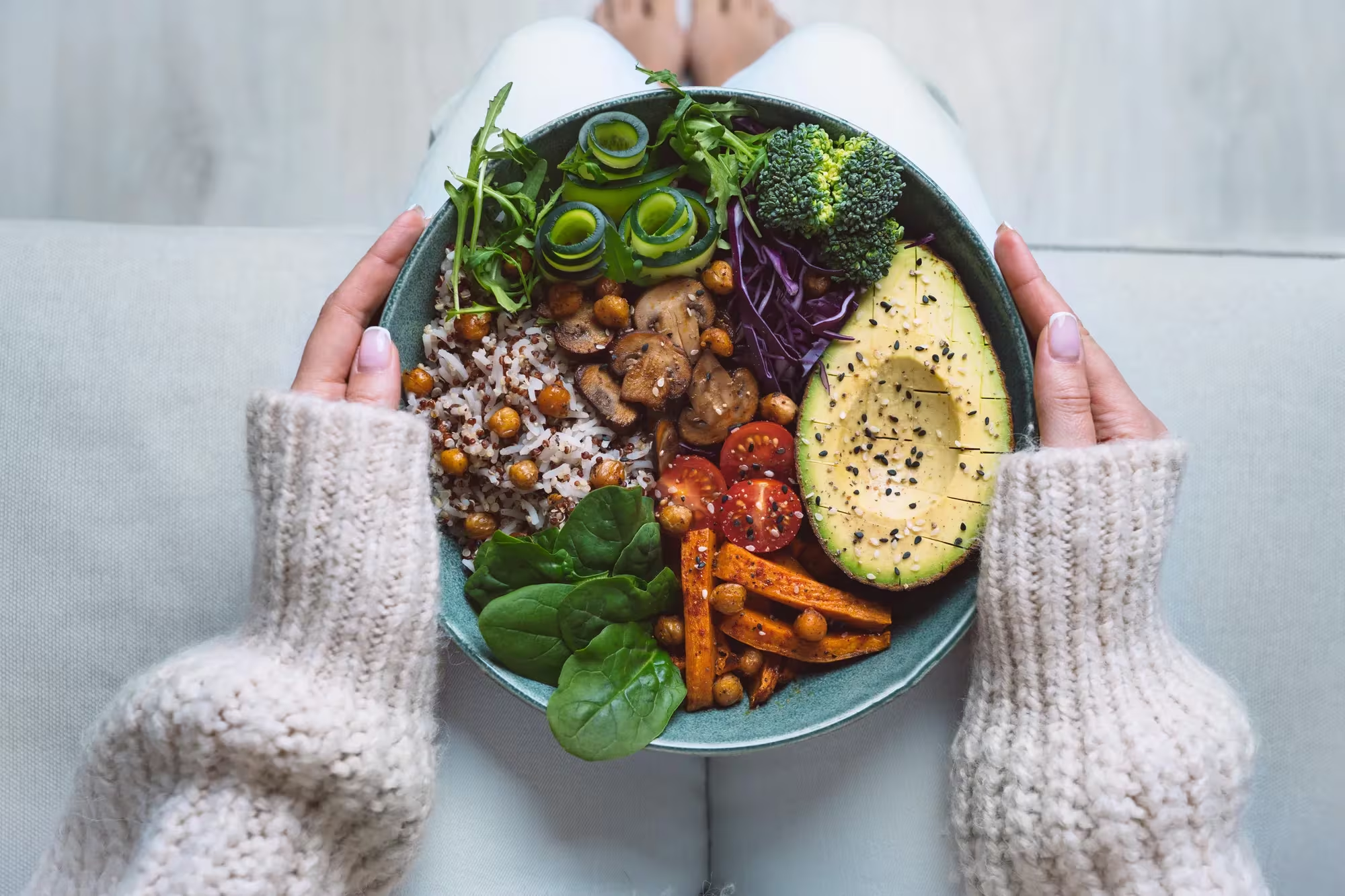
Creating balanced meals starts with selecting nutrient-rich foods from different food groups. Fresh fruits provide vitamins, antioxidants, and fiber that support immunity and digestion. Vegetables offer essential minerals and phytochemicals that help reduce inflammation and protect against disease. Whole grains such as brown rice, oats, quinoa, and whole wheat bread provide complex carbohydrates that release energy gradually throughout the day. Lean protein sources, including chicken, fish, eggs, beans, lentils, and tofu, help maintain muscles and keep you feeling full longer. Healthy fats from nuts, seeds, avocados, and olive oil contribute to brain function and heart health. Dairy products or fortified alternatives provide calcium and vitamin D for stronger bones. Drinking sufficient water throughout the day helps maintain hydration and supports every organ system. Choosing fresh, minimally processed foods whenever possible ensures higher nutritional value. By combining these food groups in appropriate portions, individuals can enjoy flavorful meals while meeting their daily nutritional requirements.
Common Mistakes That Affect Healthy Eating
Many people unknowingly develop eating habits that reduce the effectiveness of their nutrition. Skipping breakfast often leads to overeating later in the day and decreases energy levels. Relying heavily on processed foods introduces excessive sodium, unhealthy fats, preservatives, and added sugars into the diet. Large portion sizes contribute to unnecessary calorie intake even when consuming nutritious foods. Another common mistake is drinking sugary beverages instead of water, increasing calorie consumption without providing essential nutrients. Emotional eating caused by stress, boredom, or anxiety can also interfere with healthy habits. Some individuals eliminate entire food groups without medical guidance, potentially leading to nutrient deficiencies. Inconsistent meal timing disrupts metabolism and may increase unhealthy snacking. Ignoring food labels makes it difficult to monitor sugar, sodium, and fat intake. Healthy eating becomes more sustainable by practicing moderation rather than following restrictive fad diets. Recognizing these mistakes allows individuals to make smarter choices and maintain consistent progress toward better health.
Tips for Maintaining Healthy Eating Habits
Developing lifelong healthy eating habits requires planning, consistency, and realistic expectations. Preparing meals at home allows greater control over ingredients and portion sizes while reducing dependence on fast food. Planning weekly meals helps avoid unhealthy last-minute choices and simplifies grocery shopping. Eating slowly encourages better digestion and allows the brain enough time to recognize fullness, reducing overeating. Including vegetables in every meal increases vitamin and fiber intake without significantly increasing calories. Healthy snacks such as fresh fruit, yogurt, nuts, or seeds prevent excessive hunger between meals. Reading nutrition labels improves awareness of added sugars, sodium, and unhealthy fats found in packaged foods. Drinking water before meals may also help regulate appetite and maintain hydration. Rather than aiming for perfection, focus on gradual improvements that can be maintained over time. Small daily changes often produce greater long-term success than drastic short-term diets. Consistency remains the key to creating sustainable eating habits that support lifelong health and wellness.
Healthy Diet and Disease Prevention
Scientific research consistently demonstrates that nutrition plays a major role in preventing chronic diseases. A balanced eating pattern supports healthy blood pressure, cholesterol levels, and blood sugar control, reducing the likelihood of heart disease and type 2 diabetes. Diets rich in fruits, vegetables, legumes, whole grains, and healthy fats supply antioxidants that help protect cells from damage caused by free radicals. Fiber-rich foods improve digestive health while reducing cholesterol and supporting beneficial gut bacteria. Limiting processed meats, sugary foods, excessive salt, and trans fats decreases the risk of obesity, hypertension, and certain cancers. Good nutrition also supports stronger bones, healthier joints, and improved cognitive function during aging. Combined with regular physical activity, adequate sleep, and stress management, proper nutrition creates a comprehensive approach to disease prevention. Although no single food can guarantee perfect health, consistently making nutritious choices significantly improves long-term outcomes and enhances overall quality of life.
Conclusion
Choosing a healthy diet is one of the most valuable decisions anyone can make for lifelong wellness. Good nutrition provides the body with the energy and nutrients required for daily activities while reducing the risk of chronic diseases and supporting mental well-being. Healthy eating does not require perfection or expensive ingredients. Instead, it involves making balanced food choices, practicing moderation, staying hydrated, and maintaining consistency over time. Small improvements in daily eating habits often lead to significant long-term health benefits. By including a variety of nutrient-rich foods, limiting processed products, and adopting sustainable lifestyle habits, anyone can build a healthier future. Whether you are beginning your wellness journey or improving existing habits, focusing on a healthy diet will help you enjoy better energy, stronger immunity, improved physical fitness, and a higher quality of life for years to come.
Leave a Reply